
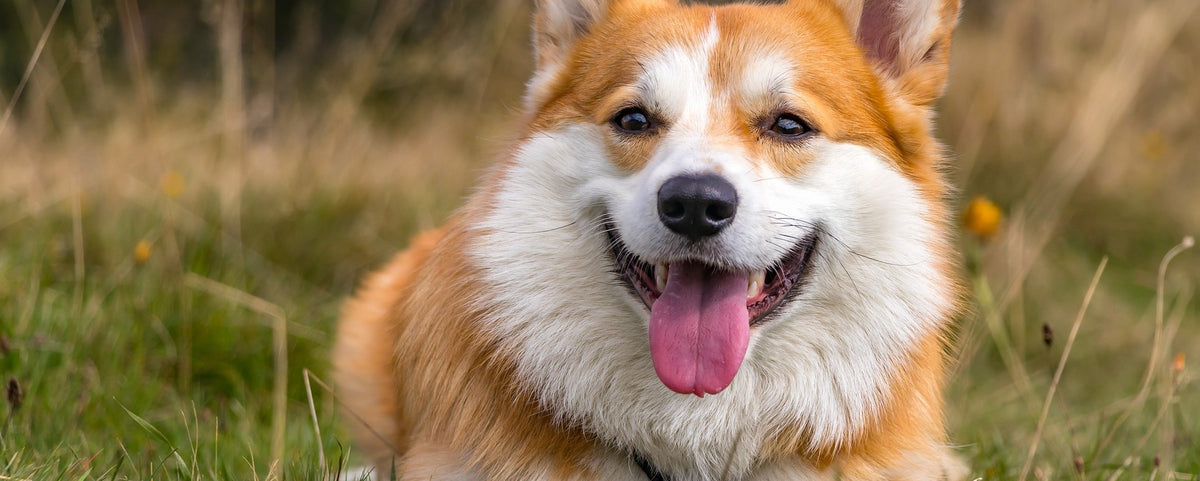
Hey there, fellow dog enthusiasts! It's just us at Bark and Company, here to chat about something that's often overlooked but oh-so-important – dental care for our furry friends. We all love those slobbery kisses and gleaming smiles, right? Well, maintaining your dog's oral health is key to keeping those pearly whites sparkling and their gums healthy. So, let's sink our teeth into this topic and uncover some woof-tastic tips for keeping your pup's smile in tip-top shape!
Why Dental Care Matters 🦷
-
Prevent Dental Disease
- Gum Disease: Dental issues like gingivitis and periodontal disease are common in dogs and can lead to pain, tooth loss, and even more serious health problems. These conditions are often caused by plaque buildup, leading to inflammation of the gums and potential infection.
- Preventive Measures: Regular dental care, including brushing and providing appropriate chew toys, can help prevent these issues and keep your dog's mouth healthy and pain-free.
-
Improve Overall Health
- Link to Health Issues: Poor oral health isn't just a problem for your dog's teeth and gums – it can also impact their overall health, contributing to issues like heart disease and kidney problems. Bacteria from the mouth can enter the bloodstream and affect various organs, emphasizing the importance of oral hygiene.
- Healthy Mouth, Happy Dog: By taking care of your dog's teeth and gums, you're also helping to safeguard their overall well-being and potentially extending their lifespan.
Woof-tastic Dental Care Tips 🐾
-
Regular Brushing
- Frequency: Aim to brush your dog's teeth at least 2-3 times a week, if not daily, to effectively remove plaque and prevent tartar buildup. Consistency is key to maintaining oral hygiene.
- Technique: Use gentle, circular motions to brush along the gum line and outer surfaces of the teeth. Pay special attention to the back molars where plaque tends to accumulate.
- Reward System: Make toothbrushing a positive experience by offering rewards such as tasty treats or extra playtime afterward. This positive reinforcement helps create a bond between you and your dog while reinforcing good behavior.
-
Dental Chews and Toys
- Chew Away Plaque: Offer dental chews and toys designed to promote dental health by reducing plaque and tartar buildup. Look for products approved by veterinary dental associations, as they are formulated to effectively clean teeth and gums.
- Supervised Chewing: Ensure any chew toys are safe and supervise your dog while they're chewing to prevent accidents or ingestion of small pieces. Replace worn-out toys promptly to maintain their effectiveness.
-
Dental Diet
- Specialized Food: Consider feeding your dog a dental diet specially formulated to promote oral health. These diets typically have a larger kibble size or unique texture that helps scrub teeth while chewing, reducing plaque and tartar buildup.
- Ingredients: Look for dental diets containing ingredients like enzymes, antioxidants, and omega-3 fatty acids, which can help maintain healthy gums and reduce inflammation in the mouth.
-
Water Additives
- Oral Rinse: Adding a veterinary-approved oral rinse to your dog's water bowl can help reduce bacteria in the mouth and freshen breath between brushings. These rinses often contain antimicrobial agents or enzymes that target plaque and tartar.
- Flavor Consideration: Choose a water additive with a flavor your dog enjoys to encourage them to drink regularly. Some products come in flavors like chicken or mint, which can appeal to different preferences.
-
Natural Chewing Options
- Raw Bones: Offer raw, meaty bones as occasional treats to help scrape away plaque and tartar while satisfying your dog's natural chewing instincts. Always supervise your dog when giving bones to prevent choking or dental fractures.
- Rawhide Alternatives: If your dog enjoys chewing but isn't suited to bones, consider alternatives like rawhide-free dental chews or natural rubber toys designed to promote dental health. Look for products with ridges or textures that help clean teeth as your dog chews.
-
Routine Inspections
- Mouth Examination: Regularly inspect your dog's mouth for signs of dental problems, such as red or swollen gums, bad breath, loose teeth, or unusual growths. Early detection of issues allows for prompt intervention and treatment.
- Professional Guidance: If you notice any abnormalities or concerns during your inspection, consult your veterinarian for advice. They can provide guidance on appropriate home care and recommend further evaluation if necessary.
Is your dog refusing to let you brush their teeth? 🦷
This video is so helpful for those times you just want to help your pup and they won't cooperate! Check it out:
My Personal Experience 🐕
I've seen first-hand the difference that proper dental care can make in my furry friend's life. By prioritizing dental hygiene and making it a part of our regular grooming routine, I've been able to keep my dog's smile bright and their breath fresh. Starting dental care early and maintaining consistency has made the process easier and more enjoyable for both of us, strengthening our bond along the way.
Let's Keep Those Tails Wagging! 🐾
Remember, your dog relies on you to keep their teeth and gums healthy, so don't neglect their dental care. By following these tips and making dental care a priority, you'll be helping your pup enjoy a lifetime of smiles, kisses, and wagging tails!
Here's to happy smiles and healthy mouths for our beloved canine companions! 🦷❤️



Leave a comment
This site is protected by hCaptcha and the hCaptcha Privacy Policy and Terms of Service apply.